
Tools of the Trade
Guitars, amps, pedalboards, etc.
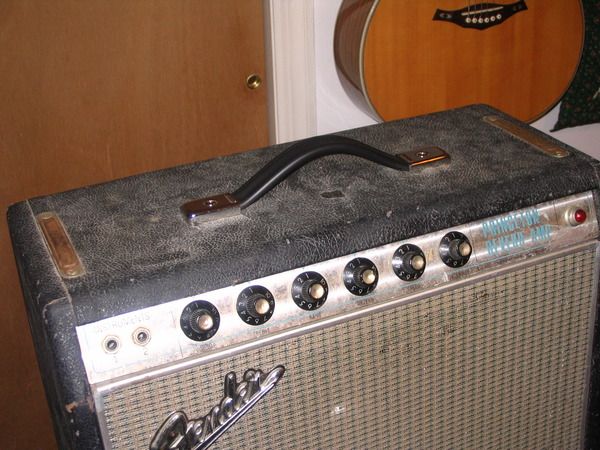
I got this 1968 Princeton Reverb in a horse trade a few years back. As you can see, it was a filthy wreck and virtually non-functioning, much like its former owner. I cleaned it up cosmetically, then passed it along to Richie Johnson of New York Music and Repair in Bohemia.
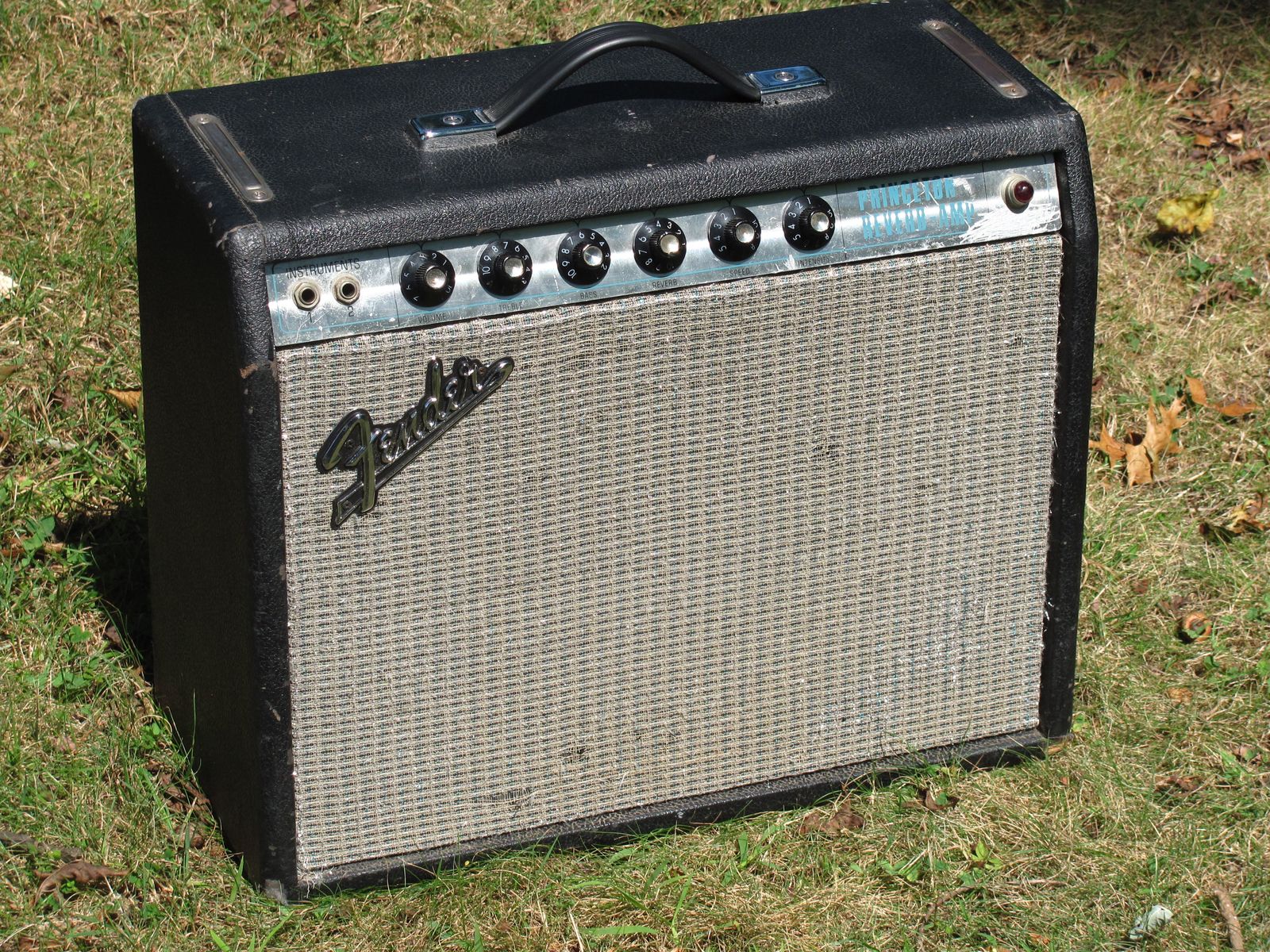
After Richie Johnson performed his magic, I mounted a 12” Jenson speaker in it, and it is amazing. Just amazing.
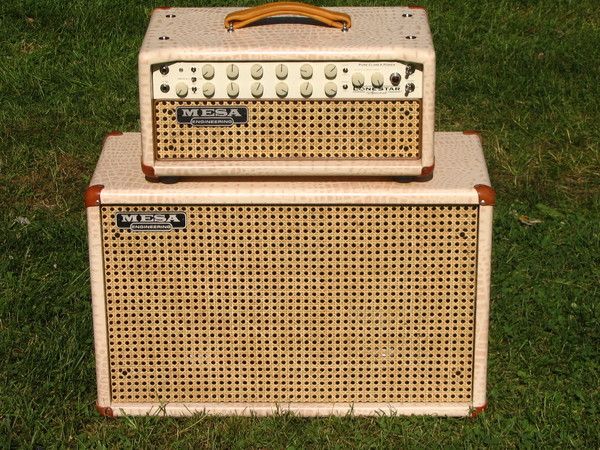
The custom-ordered Mesa Boogie Lonestar Special. The good people at Mesa Engineering put together this unique blend of cosmetic appointments at my request. The covering is leather textured in "bone croc," the head size is referred to as a "short chassis" (19"), and the wicker grille is also a custom touch. Read on for my own customizations to this lovey little kit...
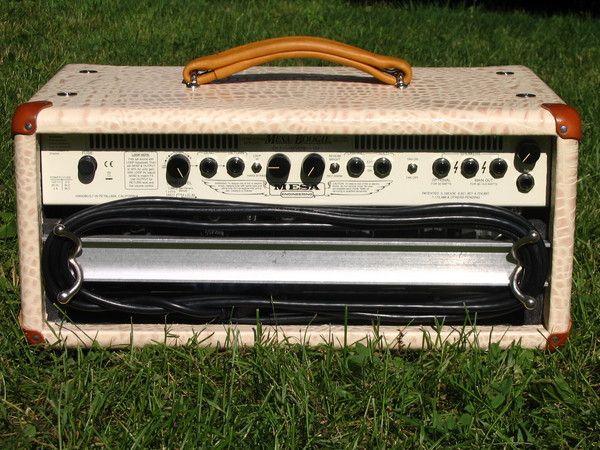
This view of the back of the head shows the coat hooks I bolted onto the aluminum U-channel crossbar which allow me to wrap up the AC power cord without having to stuff it in the bottom of the head against the power tubes. The crew at Davidson Electronics swooned at this upgrade - "Totally pro!" pronounced Cory and Alex.
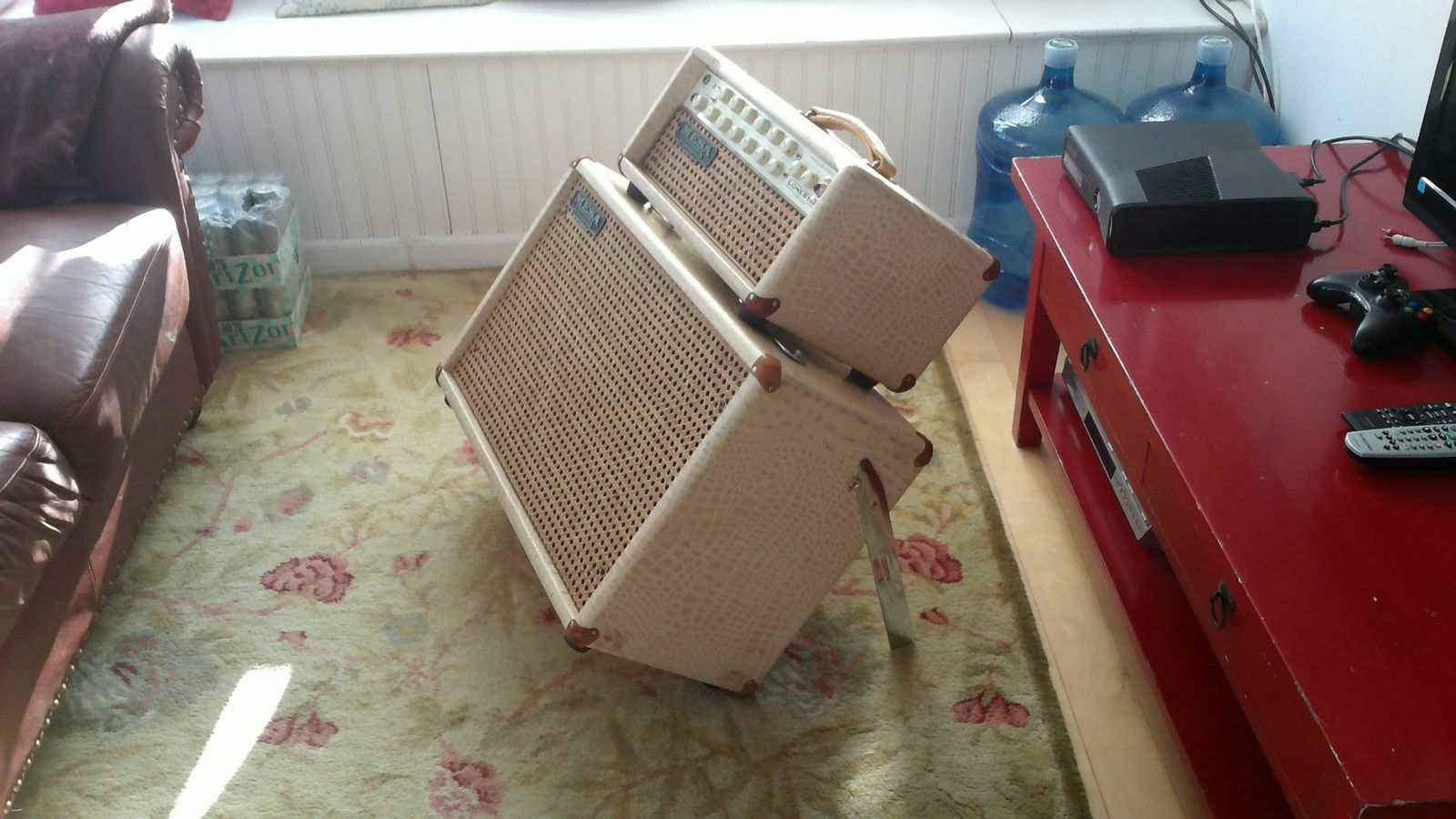
My most recent upgrade (January 2016): tilt-back legs and piggyback clips! The need for the tilt-back hardware became evident when I realized that what I was hearing on stage did not match what was blowing by my ankles and hitting people's ears in the front rows of a theater.
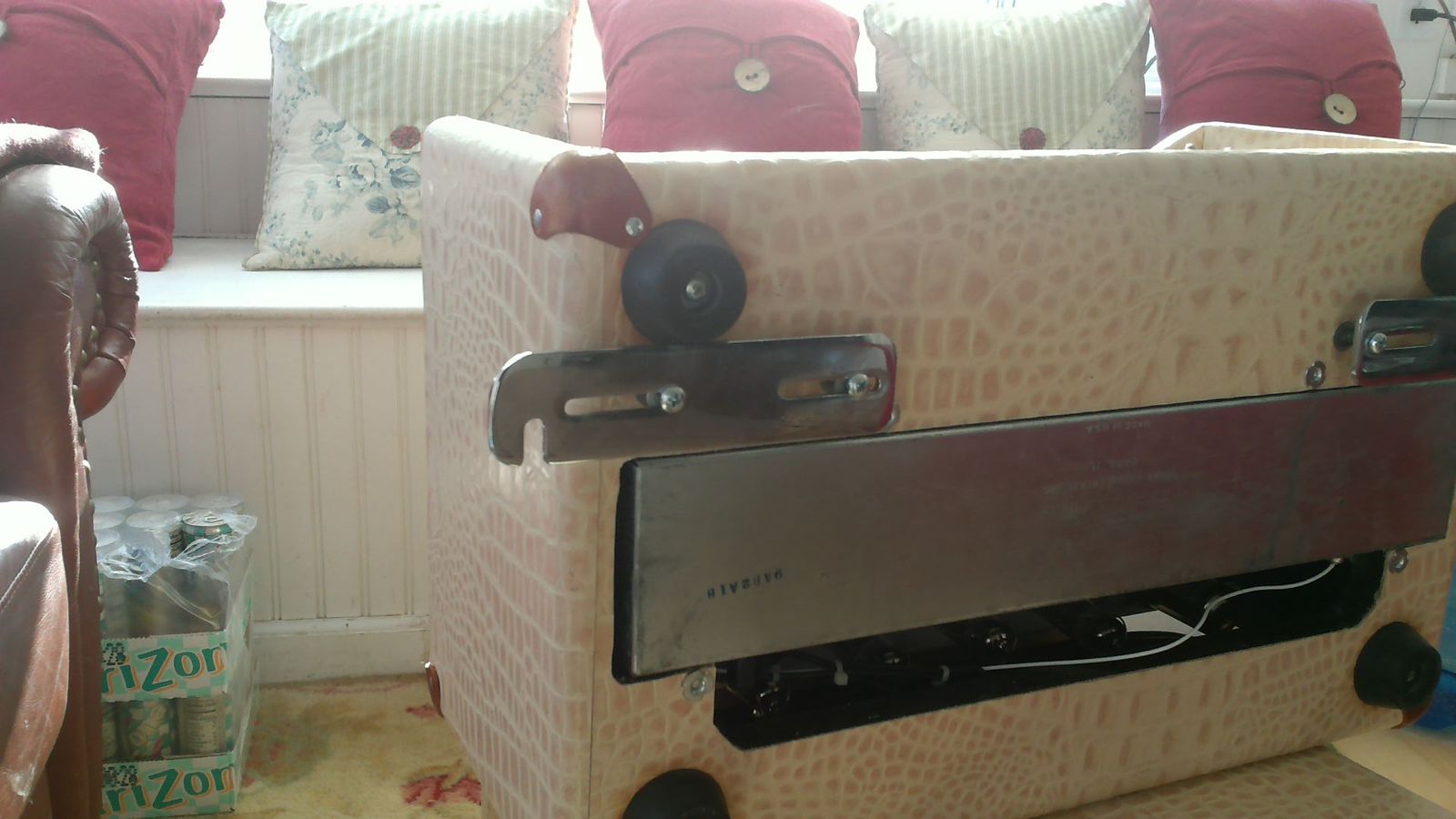
The piggyback clips were a challenge. I had to do some serious customization to get these to work. Here they are in full extension.
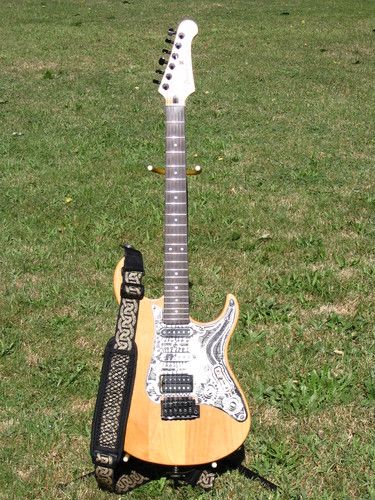
My Number One. Yamaha Pacifica #L014144 (alder body, maple neck, rosewood fretboard) upgraded with Planet Waves tuners, a bone nut, DiMarzio Blue Velvet (neck), Red Velvet (middle)and Air Zone (bridge) pickups, the Aslin Dane Full Contact tremolo system, and an ever-dissolving and reforming custom pickguard. This is the guitar you'll hear me play on most electric gigs, and is used on most of my recordings.
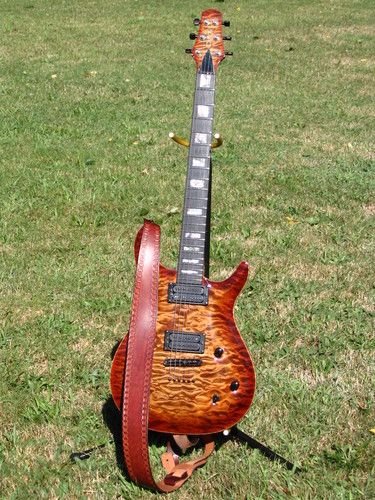
My Number Two. A Carvin CT-6 California Carved Top, stock. Sure, the quilted maple top is like three-dimensional satin, but the tone is to die for. A definitive humbucker voice coming through the classic maple top/mahogany body. Fretwork and an out-of-the-box setup are further testament to Carvin's goal of putting custom instruments directly into the hands of musicians. You can hear this guitar transmitting the lead melody on "Sweet Hollow Road."
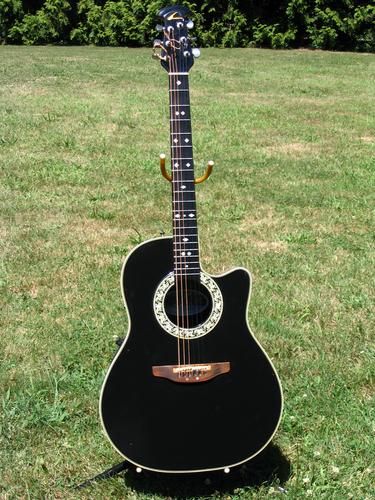
Currently my Number One acoustic for gigging in the Old Standard Tuning, this Ovation Custom Balladeer, model 1862, #360380 is usually set up for the New Standard Tuning introduced by Robert Fripp through Guitar Craft. It is upgraded with a Corian nut (the Coyote's paw-work) and the Coyote Bridge Upgrade (a Cipriani adjustable bridge and a Highlander transducer). It will soon return to the New Standard Tuning.
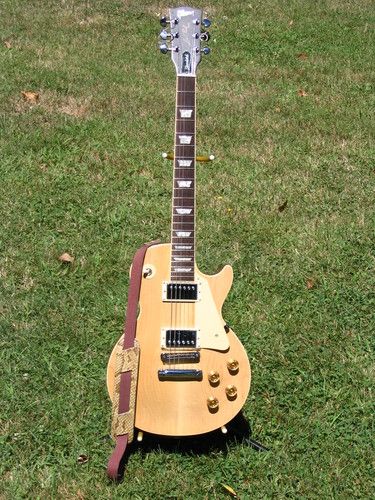
Until and unless my reputation eclipses my need for "representative" instruments, this will be my Les Paul. It's a limited edition "Raw Power" model - essentially a Standard with a clear satin finish. Purchased in 2000, when I was doing gear reviews for Guitar World magazine, I took this out of the case, played the open low E string, and said, "This is it."
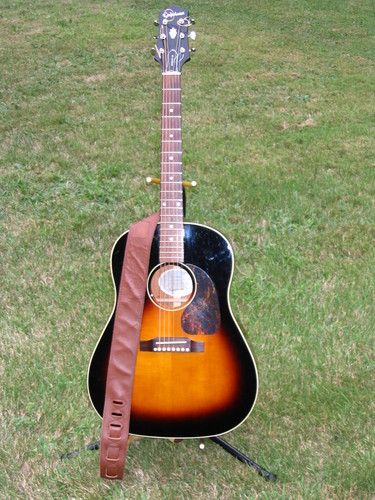
While I have the utmost respect for the Martin D-series guitars, I am a J-45 kinda guy. This Epiphone Elitist model was made in Japan to the specs of the Gibson icon. It's got that thunky, thuddy, growly low-mid voice so beloved of J-45 players. Bob Wescott and I did a taste test with this guitar when I first got it - he has two or three J-45s, a J-200, and God knows what else. This baby had it.
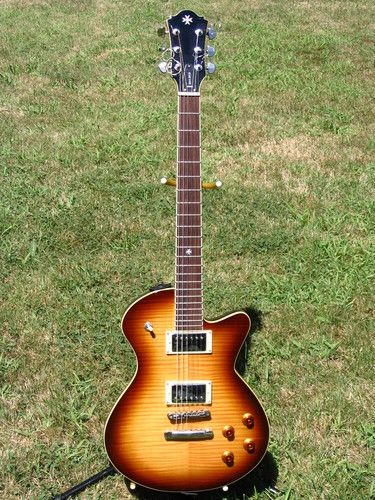
This way cool Malden Karma, #04011026, is set up for slide guitar with a raised nut and saddle. I switch between open D and open G tuning, and the strings are H-E-A-V-Y, approximately .016 to .060.
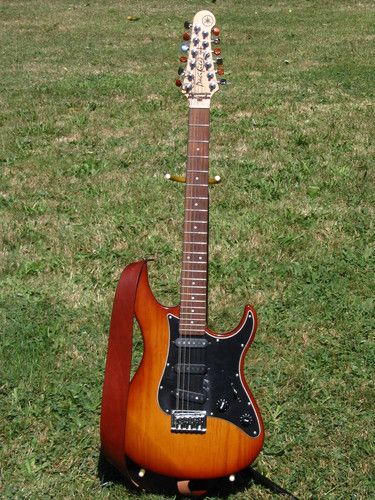
My go-to electric 12-string, a Yamaha Pacifica, #OX16109. Half the tuning buttons have been swapped from chrome to amber so I can identify the octave strings by touch. The Strat-style pups are a little too clangorous for my 12-string taste, so someday I'll swap them out for P-90s or mini-humbuckers.
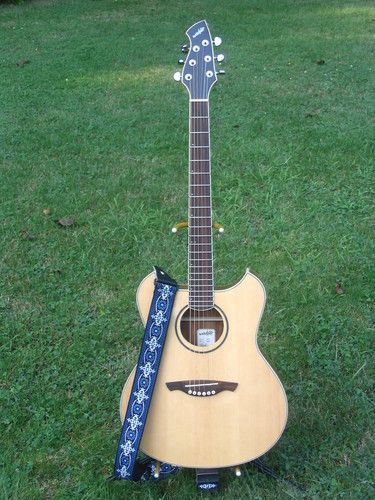
Abe Wechter is one of the coolest luthiers on the planet, and his Pathmaker is an amazing guitar for the working musician. Acoustically, it has an even response like a small-bodied acoustic. Electrically, it has both a piezo bridge transducer and a magnetic soundhole pickup. As soon as I get information from Abe on converting to a split bridge to correctly intonate for my personal fave-rave string gauge, this will become my Number One acoustic axe.
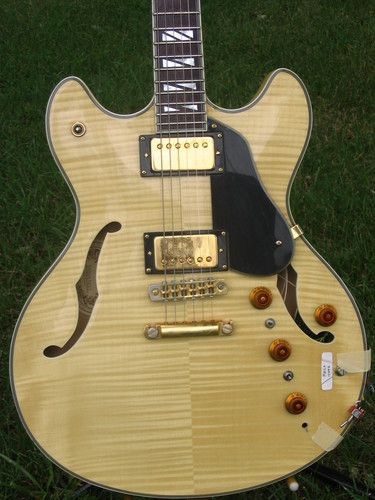
One of two nearly identical Washburn semi-hollow guitars that I own. This one (#S98043821) is a work in progress, upgraded with Seymour Duncan 59 pickups and an RMC piezo bridge pickup system.
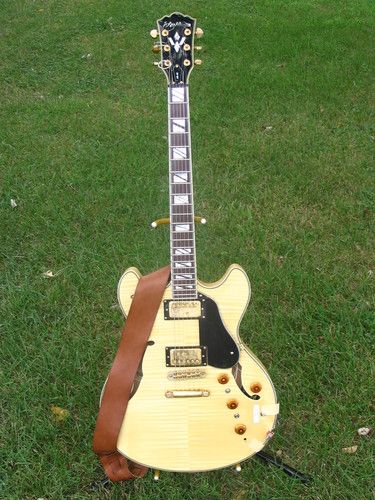
A full view of the Washburn in progress.
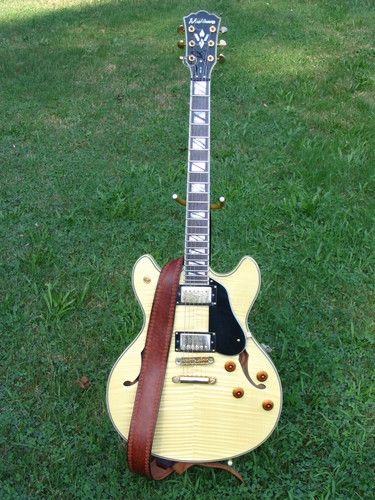
The other of the Washburn twins. The body wood is flamed sycamore, very similar to flamed maple, but you could never get that buttery golden color with maple.
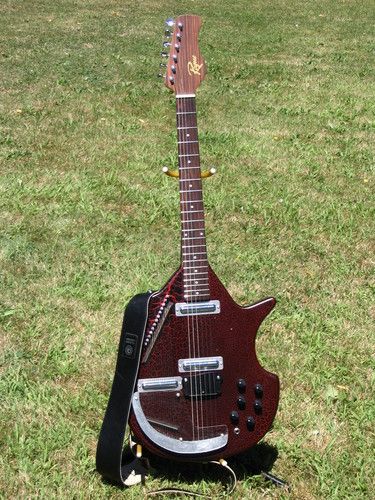
No self-respecting hippie guitarist should be without an electric sitar. Mine's the Rogue brand, distributed by Musician's Friend. It's a brilliant value, currently selling for under $300 and comparable to - perhaps even superior to - the original Coral model from the 60's. This was a gift from my wife, a combination birthday/Christmas present from about 2004.
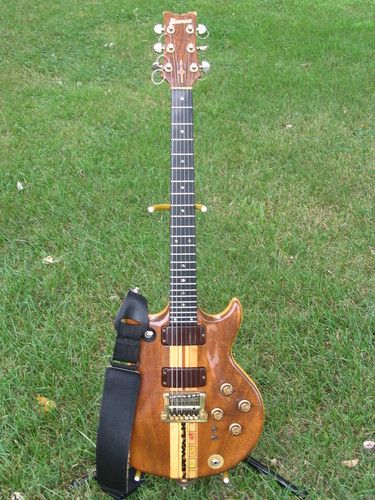
This Ibanez is a rarity, known as an Artist 2700 series model, #A788078. It was my number one go-to electric from about 1984 (when I first bought it, used) to the turn of the century. I'm looking forward to refretting it and putting it back to work. It's beautifully designed and executed, a poor man's Alembic of sorts. This symmetric cutaway shape seems very rare - it was probably only made in late 1977 and 1978 before being eclipsed by the "Musician" series models. Here is a link to an excellent collection of these models.
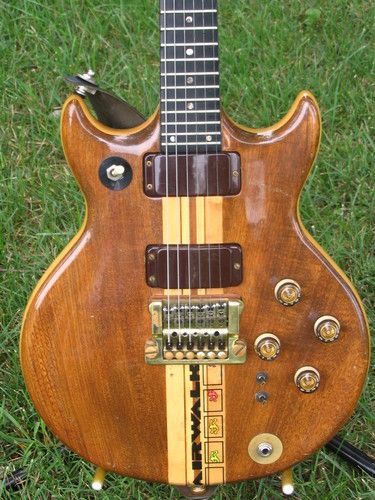
A close-up of the Artist. The Kahler tremolo system is an upgrade, as is the "Airwalk" sticker overlaying the neck-through maple/walnut laminate. The two little black toggle switches to the lower right of the bridge select three different configurations for each pickup: 1) standard humbucking mode, 2) single coil mode, and 3)series out-of-phase mode. I've also added push-pull switches to some of the pots to access an onboard wah-like active filter and to mix the two pickups out of pahase with each other.
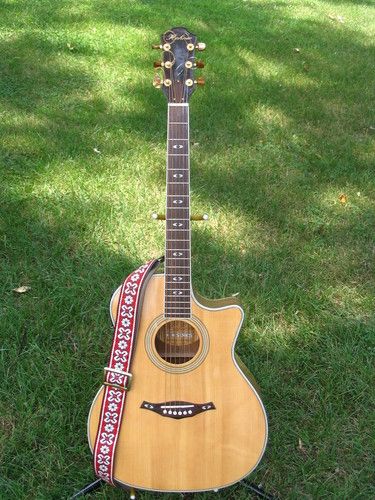
The Hohner "O" series, model EA65CEQ, serial # 2054000011. This guitar has an amazingly even-balanced tone, comparable to a Martin OM. The electronics are poor, but the acoustic sound is awesome. If you'd like to hear it in action, I'm playing this for the primary rhythm guitar on "Sweet Hollow Road."
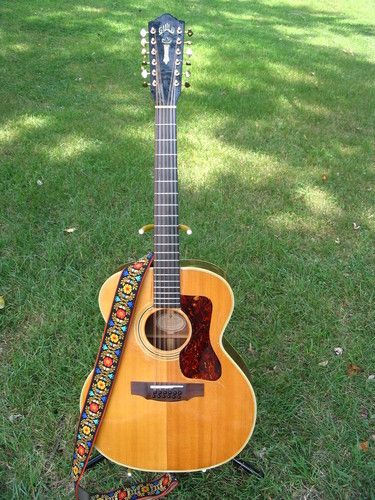
This Guild F-212 focuses on the "thunder" that a 12-string can deliver, as opposed to the "lightning." Deep and shimmering, in contrast to the usual bright and chimey tone of most 12-strings. The secret(s)? The jumbo body, with a Helmholtz resonance around a low F. Tuning down a whole step from standard tuning. And using lighter-gauged octave strings that add a dewdrops-at-dawn kind of glistening. This guitar originally had a "slipped" neck block and several cracks in the face. The primary repair work was done by Scott MacDonald in Huntington. I asked him just to reset the neck and stabilize the cracks, and that I would do all the final setup work. I popped the old saddle in, restrung it, and it played like a Taylor. Then I made a new (intonated) saddle, replaced the crappy strip tuners with Grover "butterbean" copies, and did my magic restringing thing. Now it's much better than a Taylor (but it can't hold a candle to MY Taylor).
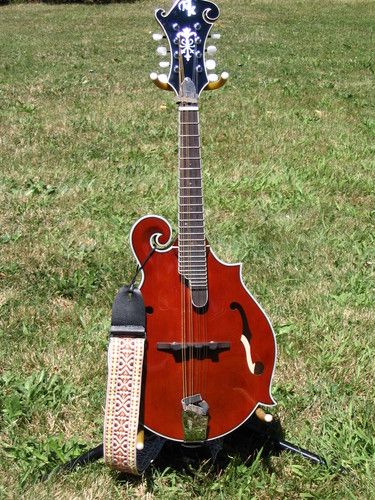
This Michael Kelly mandolin continues to age really well. This is the instrument I’ve used for “Play Mandolin Today!” and the “Play Mandolin Today! Songbook.”
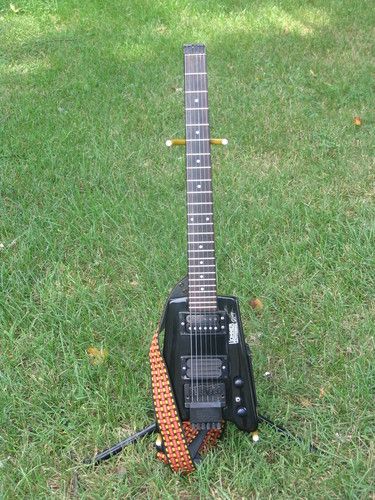
I passed this Steinberger along to my son, Taylor. I picked up another for myself; mine has the hum-sing-sing pickup configuration – three white Evans pickups. Taylor calls it “the Oreo guitar.”
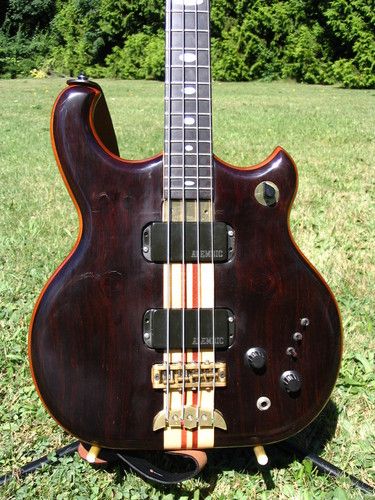
The mighty Alembic bass. With just a few simple switches, this thing dials in just about any tone a guitarist-subbing-as-bassist could need. Twangy Rick, Music man growl, smooth P-bass... it's all here.
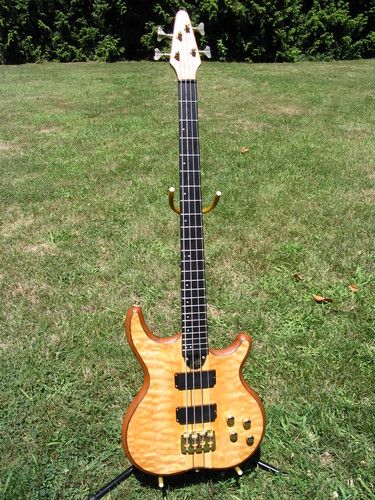
Here's an Alembic copy made by the Aslin Dane company. The electronics need to be replaced, but the wood, fretwork and hardware are excellent. Actually, I'm thinking of making this a fretless bass... after I refret the Ibanez Artist and finish the electronics on the Washburn HB-35 and swap out the pups on the Pacifica 12-string and...
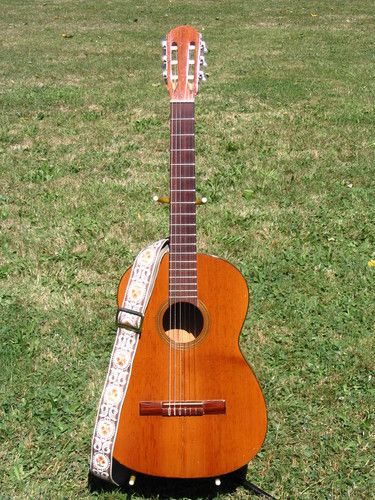
I bought this hand-made nylon-string guitar at a yard sale for $20 because it had a surprisingly strong bass response. Then I refretted it, made a new nut and saddle, put on new tuners, and repaired the center crack in the face. And now it works real good!
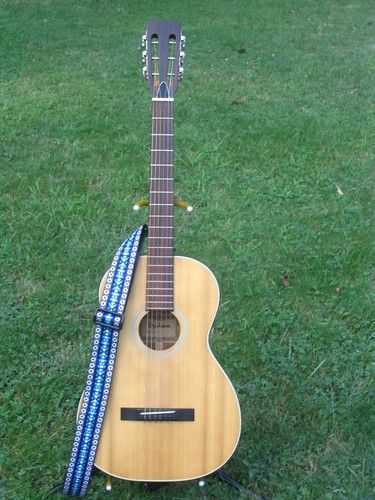
This modest small-bodied steel-string was purchased as a "student rental" instrument, but now I use it for Nashville tuning. You can hear it on "Sweet Hollow Road" at about 1:13.
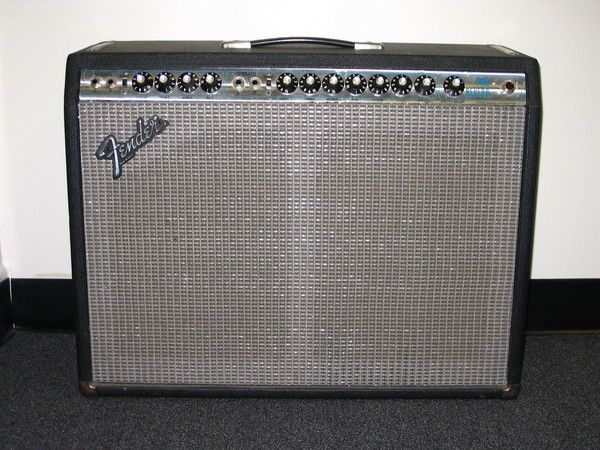
The Fender Pro-Reverb, silverface edition with a master volume that makes almost no difference at all - it just kinda "tweeds" the tone. But you don't have one of these Fenders for raging preamp overdrive anyway.
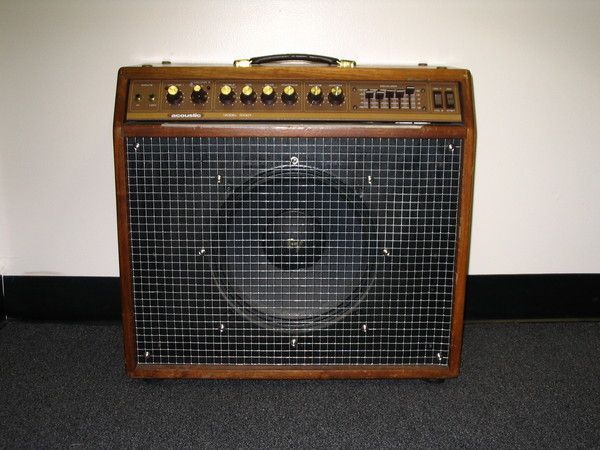
The Acoustic amplifier company put out this "lawsuit" Boogie Mk-II clone just before it sank beneath the surface. I believe Aspen Pittman (of Groove Tubes fame) was behind this model. A raging 100-watt beast with a great overdrive channel.